

How to Choose Food Processing Scales
Contact Penn Scale for food processing scales selected for capacity, sanitation, compliance, workflow, accuracy, and dependable long-term support today.

Inaccurate weights in a food plant can lead to ruined batches and expensive waste. The right food processing scales must handle the facility’s cleaning routine, deliver appropriate accuracy, and support efficient work at each weighing point.
Explore Penn Scale’s washdown scale options or call 610.420.3727 for practical help matching a scale to your food processing application.
Food processing scales must balance accuracy with the strength needed for wet or dusty areas. Most plants should look for stainless steel builds and washdown protection to handle daily cleaning. These ratings, like IP65 or IP67, ensure the gear resists moisture and dust during deep washes. You also need to check for NTEP certification if you sell products by their weight. Large plants often use these certified tools to meet legal rules and keep weights exact. Small shops, like candy makers, usually need precision batching scales to keep every recipe the same. According to Penn Scale, food plants often need washdown-ready gear to stay clean and safe. Buying the right tools helps you avoid waste and keeps your business successful.
Selecting a scale for your plant requires a deep look at how your staff uses the tool in your facility during every single shift. The first critical step is to start with the food manufacturing process. Here is how you can evaluate each weighing point before selecting equipment.
Food Processing Scales: Start with the food manufacturing process
Before you buy new food processing scales, you must look at your daily work. Each step in your food making line has its own needs. If you do not map your process first, you might get a tool that fails or slows you down. A good scale must fit your space, your staff, and your cleaning rules.
Key process factors
You need to know where the scale will sit and what it will touch. Some scales stay in dry rooms for packing. Others face wet floors and salt. You should also think about the weight range you need. Small bags need exact weights, but large crates need big, strong frames. Using hygienic washdown scales keeps your line moving and your food safe.
The show that tool design is key to food safety. Tools must be easy to clean to stop germs from growing. In a busy plant, your scale is part of this safety plan. It must handle the heat, water, and soap used to keep things clean.
Mapping your work
Think about who uses the scale. Is it a fast line where speed is the top goal? Or do you need recipe control for exact mixes? Your staff needs a scale that is easy to read and use. If the screen is hard to see or the buttons are too small, mistakes will happen. Food-safe bench scales help your team do their job well.
- Find the weighing spot. Pick the exact place on the floor where the scale will go. Check for power plugs and room for staff to move around the unit.
- Check the food and container. Note the weight of your heaviest item and your smallest part. Make sure the scale can hold the full weight of both the food and the box.
- Watch how staff work. See how your team moves items on and off the scale. Look for ways to stop heavy lifting or long reaches that could slow down the line.
- Check your speed needs. Count how many items the scale must weigh each hour. High-volume spots need scales that give a weight fast to keep the flow steady.
- Plan the cleaning path. List the soaps and water pressure used in your wash. Choose a scale with a rating that matches your cleaning steps so it does not break.
Match the scale type to the weighing job
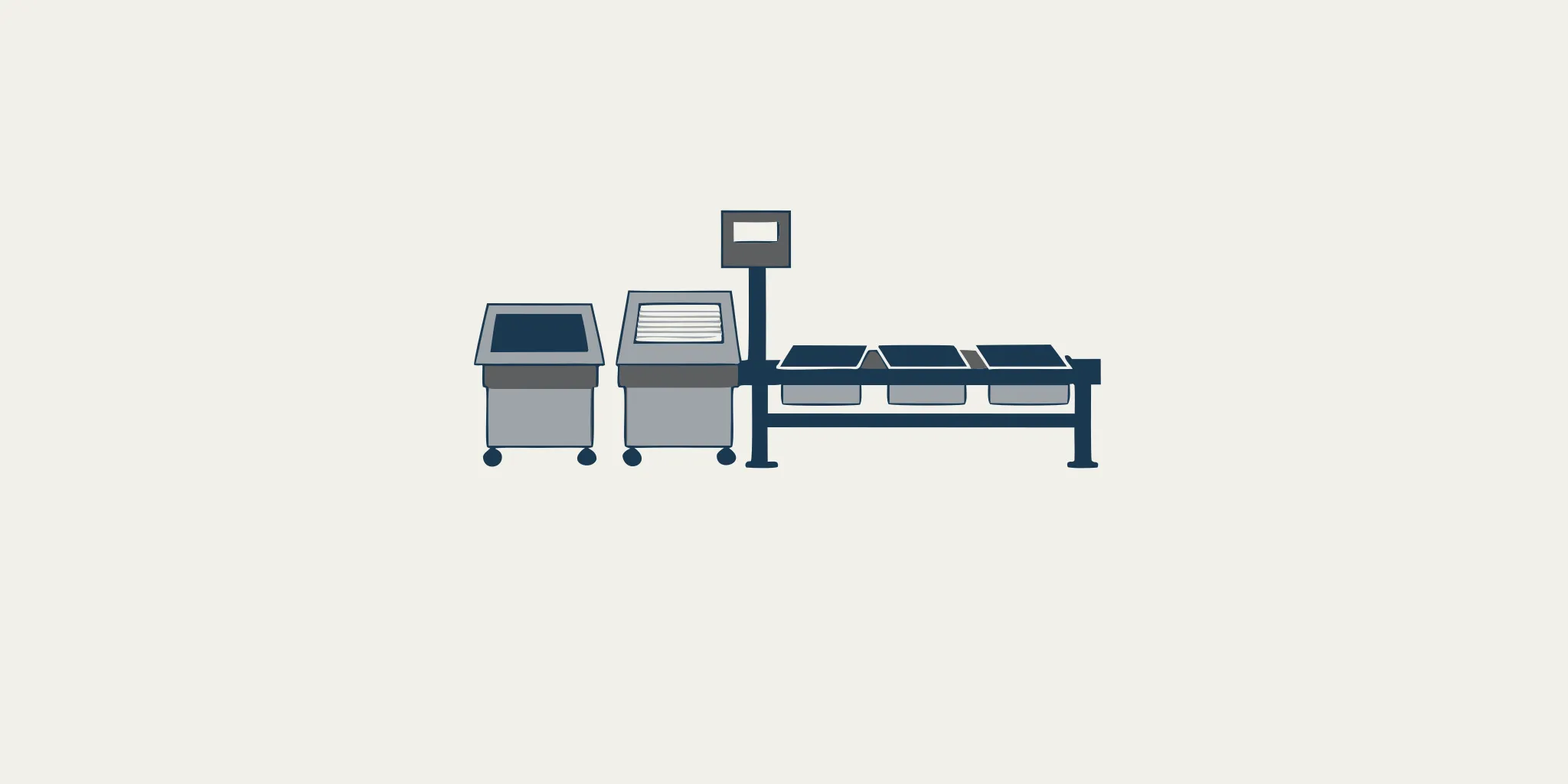
Choosing the right scale is a balance between accuracy, durability, and cleaning needs. Every step of food work, from checking bulk goods to packing boxes, needs a specific tool. Using the wrong food processing scales can slow down your line or lead to costly errors in your batch weights. See our selection of bench scales for food processing designed for washdown environments and precision ingredient work.
Scales for prep and batching
In the early steps of food work, precision is key. Bench scales are common for prep and portioning. These tools sit on a work table and handle light to mid-range weights. For specialized food work like making candy or ice cream, precision batching is a top priority. In these shops, even a small error in a mix can change the final product.
Some kitchens still use mechanical scales for reliability. These tools work well when you do not have a power outlet nearby. Our mechanical baker’s scales are still a top choice for professional cooks because they are tough and do not need a battery to run. They help keep your prep work moving in busy environments.
Checkweighing and floor scales
Checkweighers help you verify that every pack meets a set weight. These tools ensure accuracy before a box leaves your line. For bulk goods, you will need a floor or platform scale. These heavy-duty tools handle big loads of raw goods. Because they sit in wet or messy areas, many of these scales must be washdown-rated (IP65/IP67) to stay clean and safe. This rating shows the tool can stand up to the water and dust found in food plants.
Keeping a clean work area is vital for food safety. Proper cleaning and work habits can help reduce risk and stop cross-contamination. This is why many food plants look for tools that meet from groups like the NSF. These rules make sure you can deep-clean your gear without damaging the parts inside.
| Scale Type | Best Use Case | Key Benefit |
|---|---|---|
| Bench Scale | Portioning ingredients | Compact and easy to clean |
| Checkweigher | Final pack weight checks | Fast weight verification |
| Floor Scale | Bulk goods and pallets | Handles very heavy loads |
| Counting Scale | Tracking small food items | Quickly counts many parts |
| Price Computing | Retail and deli sales | Shows price per unit |
Retail and deli tools
If you sell food by weight to a guest, you need a price-computing scale. These tools show the weight and the total cost at the same time. Many of these units are NTEP-certified, which means they are legal for trade. Using a certified tool ensures that your sales are fair and meet the rules for commercial transactions. These scales are common in delis, markets, and sweet shops where price depends on weight.
How much capacity and readability do you need?
Picking the right scale for a food plant starts with two main numbers. These are capacity and readability. Capacity is the most weight the scale can hold. Readability is the smallest change in weight that the display shows. When you choose food processing scales, you must find a balance between these two specs. If you pick a scale with too much capacity, you might lose the fine detail needed for small batch work.
Match scale capacity to your batch size
The capacity you need depends on your largest batch or box. In food work, this might be a small bowl of spice or a large vat of dough. You should look for a scale that handles your peak load without being too big. For example, a heavy duty floor scale is great for bulk items but bad for tiny portions. Using a scale near its top limit helps you get more detail in the results. Readability is also called resolution. It is the size of the steps the scale counts in, such as one gram or one tenth of an ounce. High precision is key for items like salt or yeast. If the steps are too large, your recipe might fail. You need a scale that shows small changes but still fits your total load. Expert food plants often use a mix of washdown bench scales for prep and floor scales for shipping.
Factor in tare and overload safety
Tare is the weight of your bowl, crate, or pallet. You must add the tare weight to your food weight when you check total capacity. If your bowl weighs five pounds and your dough weighs ten, you need at least fifteen pounds of capacity. Many scales have a tare button to reset the display to zero. This makes it easy to weigh only the food inside the box. Overload risk is a real threat in busy kitchens. If a worker drops a heavy box on a small scale, the sensor could break. Look for scales with built in overload protection. This safety feature stops the sensor from taking damage if someone goes over the limit. Good equipment design is vital to keep your line running and meet high safety rules. The CDC offers that help plants choose gear that is easy to wash and built to last.
Focus on repeatability for quality
Repeatability is the ability of a scale to show the same weight every time you put the same item on it. In food work, this is just as vital as accuracy. If you weigh a tray five times, you should get the same number each time. Small errors can add up and change the taste of your food. To get the best results, place your hygienic washdown scales on a flat and steady surface. A steady base stops shakes from making the numbers jump. This helps your team work faster and avoids waste. If you use the scale in a wet area, make sure it has an IP65 or IP67 rating. This means the scale can stand up to water and dust. Choosing a scale with the right resolution and steady work ensures your food stays the same in every batch. Penn Scale uses its years of work to help you find the best tool for your job.
Need help comparing sanitary construction, capacity, and readability? Contact Penn Scale for consultative support before you specify equipment.

Choose sanitary design for the cleaning routine
Sanitary design is a key part of food safety in any plant. When you buy food processing scales, you must check how easy they are to clean. Good design helps stop germs from growing in small gaps or on rough surfaces. This protects your products and helps you meet high health rules.
Check for smooth surfaces and gaps
High-quality scales for food use often feature stainless steel parts. Stainless steel is a top choice because it resists rust and is easy to scrub clean. You should look for scales with smooth finishes and no deep holes where food or water can sit. These hidden spots can hold germs that may spoil your next batch of food.
Good work habits and clean tools help reduce risks in the plant. The notes that controlling sources of risk through process changes is a best practice. Choosing tools with a clean design is a simple way to control these risks from the start.
Look for IP ratings and certifications
If you use water or soap to spray your tools, you need a washdown-rated scale. These tools have IP ratings like IP65 or IP67. This code tells you how well the scale keeps out dust and water. A high rating means the scale can handle a heavy cleaning routine without breaking. You can find these ratings on hygienic washdown scales used in many labs and kitchens.
You should also check if a scale has marks from groups like NSF or USDA. These marks show the tool meets set rules for food use. Equipment must be built to stop food from getting dirty and to make cleaning fast and simple. For big plants, using food-safe bench scales with these marks ensures you stay in line with top safety standards.
Match the scale to your cleaning needs
Not every scale needs the same level of care. A scale used for dry flour may not need a full washdown like one used for raw meat. Think about the chemicals you use and how often you clean. Some scales handle harsh soaps better than others. It is best to look at each model to see if it fits your specific washdown conditions.
When do certifications and legal-for-trade status matter?
Choosing the right food processing scales is more than just picking a weight size. You must also think about how you will use the scale in your shop. Some rules depend on if you are selling goods by weight. Other rules focus on keeping your food safe and clean for your guests.
Picking the wrong tool can lead to lost money or safety risks. You need a legal-for-trade scale if you sell products based on their weight. For example, if you sell meat by the pound, your scale must be fair and correct. In the United States, this means you need an NTEP scale.
Understanding legal-for-trade and NTEP
High-volume work may benefit from portion control scales that meet these trade rules. This seal means the scale model has been tested for being very correct. The National Type Evaluation Program (NTEP) tests scales to make sure they stay exact over time.
A scale with this seal protects both the seller and the buyer from weight mistakes. Local officials look for the NTEP seal to ensure your shop follows the law. Using a scale without this mark for retail sales can lead to big fines and audits. Buying the right scale from the start saves you from the stress of a failed check later on.
Sanitation and food safety ratings
In food plants, keeping gear clean is a top goal. Food processing scales often face water, dust, and food scraps during a shift. To stay safe, these scales need a high IP rating. IP65 or IP67 ratings show that a scale can handle a deep clean.
Many food making sites use hygienic washdown scales to keep their work area clean. This helps prevent the growth of germs in your plant. Building also matters for safety. Tools should be built to stop germs from growing and to make cleaning easy.
The suggest that gear must have smooth surfaces. This helps prevent food from getting stuck in cracks or small holes. You should also look for NSF marks on your food tools. This mark shows the scale meets high safety rules and uses parts that are safe to be near food.
Choosing the right model for your task
The best scale for you depends on your exact work steps. If you work in a wet room, you need washdown scales with strong seals. These models can stand up to high-pressure water and cleaning liquids. They are built to last even when things get messy or wet.
Using the wrong scale in a wet area can cause it to break fast and cost you more for repairs. You should also look at how your workers use the tools every day. Good work habits and the right gear can lower the risk of accidents. Safety groups suggest using controls to keep workers safe.
This includes choosing tools that are easy to move and clean. Picking the right scale model will help your team work better and stay safe on the job. Always match the scale to the task to get the best results and keep your costs low.
Plan for checkweighing, batching, and data
Managing a food production line requires more than just basic weighing. You must track and record data to ensure quality and meet safety standards. In food processing scales, tools like checkweighers and batching systems help you keep records for every lot. This data integration is a key part of modern workflows, helping you find and fix errors before they cost you money.
Checkweighing for quality control
A checkweigher is a specialized scale used to verify that every item in a batch meets a set weight. If a package is too light or too heavy, the system flags it. This step is vital for consistency and helps reduce waste in your plant. Using food-safe bench scales with checkweighing modes allows your team to work fast while keeping high standards. It ensures that customers get exactly what they pay for every time.
These systems often feature bright indicators or alarms to alert users of weight errors. This clear feedback helps staff act quickly. Proper setup of these hygienic washdown scales can also improve safety. According to the , equipment must be built to stay clean and prevent cross-contamination in food areas. High-quality checkweighers meet these needs by using materials like stainless steel that are easy to wash and sanitize.
Batching and recipe management
Specialized food making, like creating candy or ice cream, needs precise batching. You must mix ingredients in the right amounts to keep the same taste and texture. Precision scales help you follow recipes exactly, which is key for lot tracking. If a batch does not meet your needs, having a record of the weights used allows you to find out why. This makes it easier to keep your brand promise of high quality.
For large tasks, you may need heavy-duty tools. High-volume plants often use industrial floor scales to manage bulk ingredients. These scales can connect to printers or computers to save data. Recording weights for every batch creates a clear paper trail for audits. This level of data integration helps you meet rules for food safety and trade with less effort.
Connecting your data
Modern weighing systems can do more than just show a number on a screen. Many scales now offer connectivity options like USB, RS232, or Ethernet. These ports let you send data directly to a production record or a database. This removes the need for manual notes, which saves time and stops mistakes. Digital records are also much easier to search and share with your team or with inspectors.
When you pick a scale, think about how it will fit into your current shop. You might need a system that can print labels or one that links to your inventory software. Tools with touchless tare or knife-proof keypads can also help. These features keep the process clean and protect the scale from damage. By choosing the right data tools, you make your whole food processing line more efficient and reliable.
For food manufacturers in Pennsylvania and the broader Mid-Atlantic region, Penn Scale’s Philadelphia roots provide access to a supplier familiar with the regional manufacturing base.
Facilities should still confirm all applicable federal, state, and local requirements for their specific process.
Evaluate total cost and supplier support
Buying food processing scales is a big step for any food plant. You must look past the price on the tag. The true cost of a tool shows up over years of use. This includes the price of new parts and care. A cheap scale might break more and cost you more in the end. You should pick a scale that is built for a long life and hard work.
Durable design and max uptime
Food plants can be harsh on gear. Tools face water, salt, and food waste every day. To keep high standards, the in cracks. This makes cleaning your scales fast and easy. High uptime keeps your line moving. If a scale fails, your work stops. High-grade hygienic washdown scales are built to lower these risks. They use strong parts to stand up to heavy loads and deep cleans every shift.
You also need to think about how your team will use the gear. If a scale is too hard to learn, it can slow down your work. Good tools should have clear screens and simple buttons. This helps your staff work fast and avoid mistakes. Errors in weighing can lead to waste or poor product grade. A tool that is easy to use will pay for itself in saved time and better results for your plant.
Parts, service, and calibration
Even the best tools need care and new parts at some point. You should check if the seller keeps parts in stock at all times. Some brands take weeks to ship a small part from across the world. Penn Scale has worked in this field since 1923. We make our own gear and also sell many other top brands. This means you can get the parts you need without a long wait. It also helps to have a team that knows the fine specs of each tool.
Setting your scales is also a key task. This is called calibration. It ensures your scales give the right weight every time. You should ask if the supplier can help with this. Regular checks help you stay in line with . This keeps your plant safe and your products the same. Tools that stay true to their specs save you from costly errors over time.
Expert help and staff training
Choosing the right scale can be a big task. You need to find a balance between speed, care, and cleaning needs. A good supplier acts as a partner to help you pick the best tool for the job. They will look at your exact needs for each step of your process. This leads to less waste and a better grade. Expert help stops you from buying the wrong tool.
- Check if the scale is simple for your team to use.
- See if the seller offers expert help by phone.
- Ask how easy it is to set the scale to zero.
- Look for a warranty that covers the whole tool.
- Verify the seller has a long and solid past.
- Ask about the cost of new parts for the tool.
Frequently Asked Questions
Why are washdown ratings important for food processing scales?
Food plants need to keep their work areas very clean. Washdown ratings, like IP65 or IP67, show that a scale can handle being sprayed with water. These scales have special seals that keep moisture and dust out of the inner parts. According to Penn Scale, these ratings are vital for keeping tools safe and clean. Without them, water could damage the scale or lead to the spread of germs in wet spots.
What does Legal for Trade mean for food processing scales?
A scale is legal for trade if it meets strict rules for being exact in business sales. If you sell food by weight, you must use a scale with this rating. In the United States, these scales usually need a special mark called an NTEP mark. This helps ensure that buyers and sellers get a fair deal. You can find more details on these rules at the Penn Scale blog. Using the right scale helps you stay in line with laws.
Are food processing scales always made of stainless steel?
Most food scales use stainless steel because it is easy to clean and does not rust. It can stand up to the harsh soaps and hot water used in food plants. According to the , good tool design is vital for high safety standards. This metal helps prevent germs from sticking to the surface. It also keeps the scale working for a long time in tough spots even with daily cleaning.
How do touchless tare or knife-proof keypads help your plant work better?
These features help workers move faster and keep food safe. A touchless tare lets a worker reset the scale with a simple hand wave. This means they do not have to touch the tool with dirty gloves. Knife-proof keypads are tough enough to handle sharp tools and heavy use without breaking. According to Penn Scale, these smart designs reduce the risk of spreading germs and help your team work with more speed.
Ready to find the right scales for your food plant?
Using the wrong scales in a food plant can lead to slow work and lost profit. Getting the right washdown scales now helps you stay ahead of the curve and keep your line running well. When you wait to upgrade your gear, you risk falling behind on safety rules that keep your site open. Bad data can hurt your bottom line and lead to big risks. Our family business has helped people find the best tools for their work for over one hundred years. We are here to help you find the best fit for your needs and get your team back to work.
Ready to contact Penn Scale? Call 610.420.3727 to talk to a weighing expert today.


